Hola todos! Been a bit delayed writing this one up. So for my last day in Manizales I joined onto a guided walking tour around the city. I booked a local guide by the name of Viviana, this was another guided tour all done in Spanish. Good bit of practice there. Link to her tour at the bottom of this article.
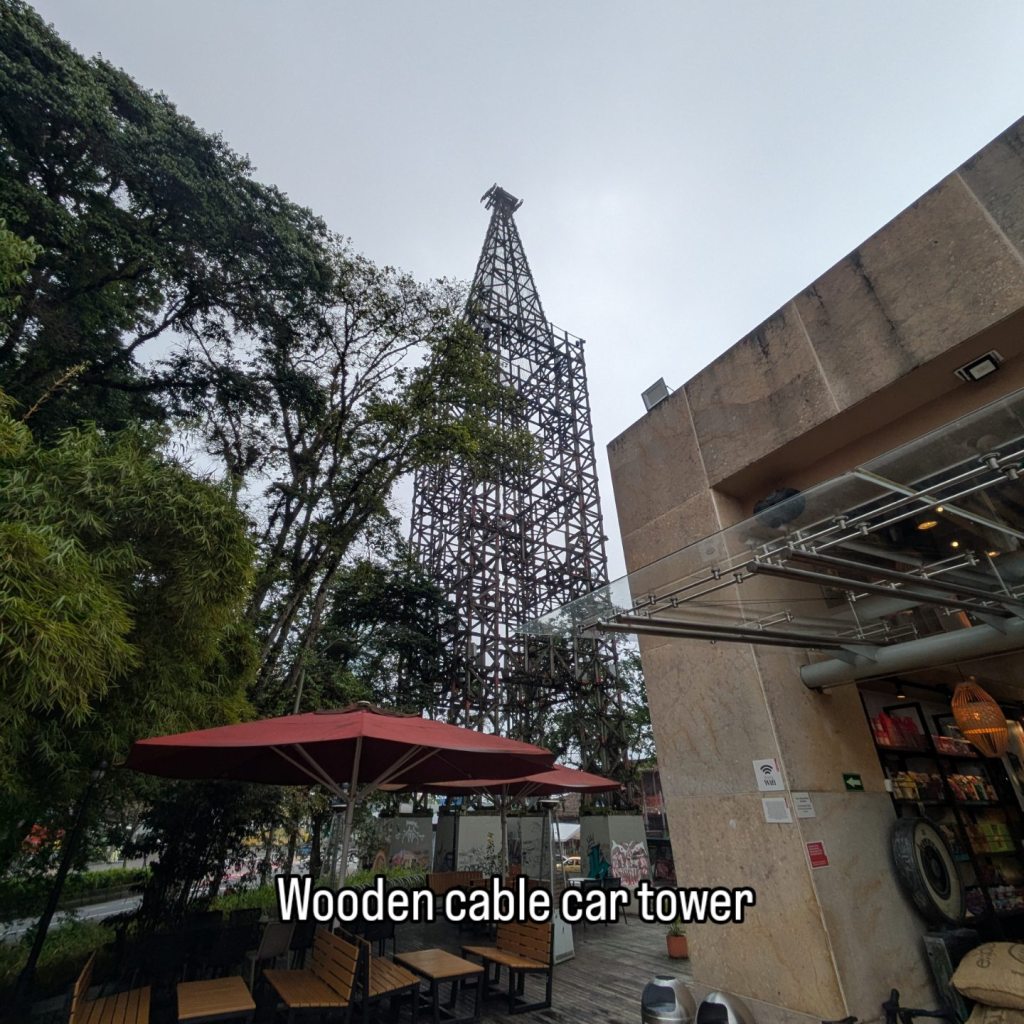
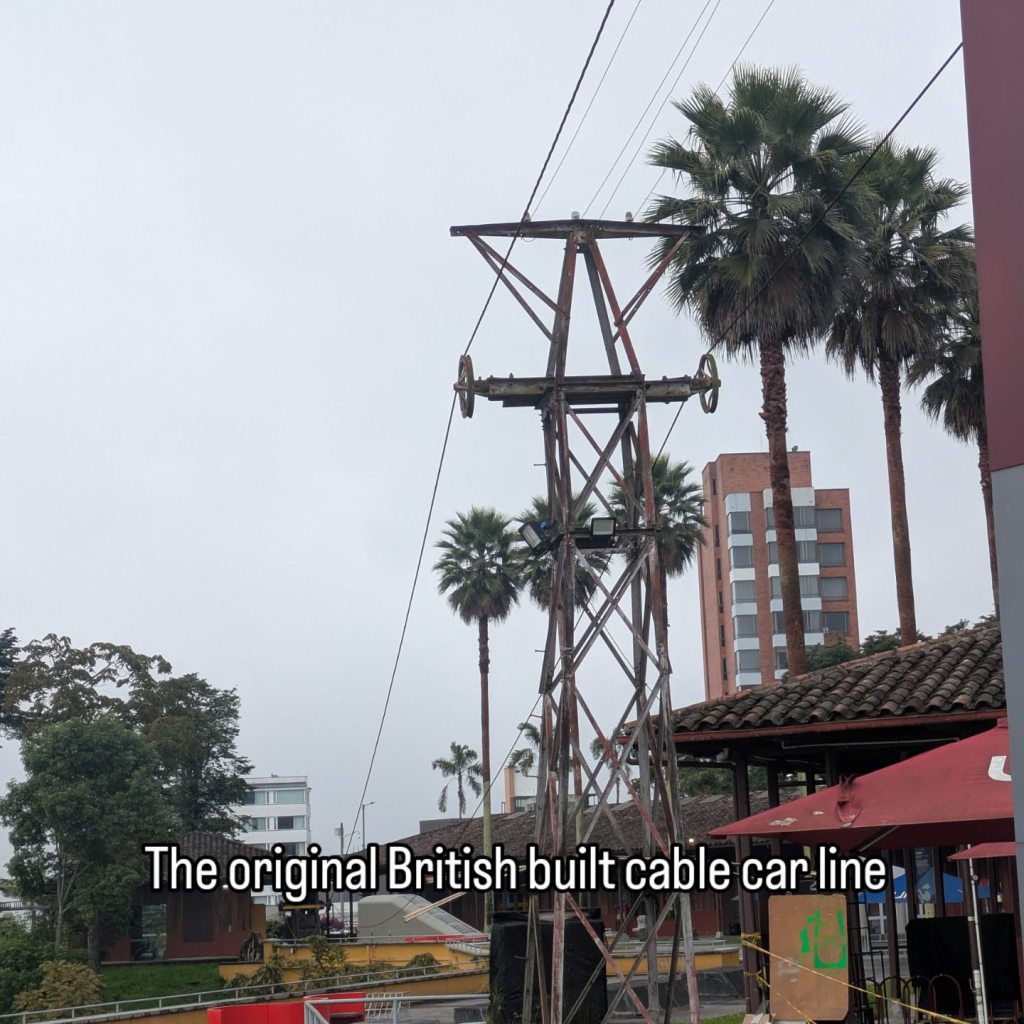
So I’m up and running and walk about 10 minutes to the meetup point, grab a coffee and wait for her. She soon shows up and we get going, first she explains that the wooden tower we are at was part of the original cable car network built by the British back in the early 1910’s. You can see old towers rusting away from back then however this tower was wooden because of ww1 breaking out and metal not being shipped to finish this tower. So they used wood instead. The old cable line ran until about the late 1960’s with the newer one being opened in 2009.
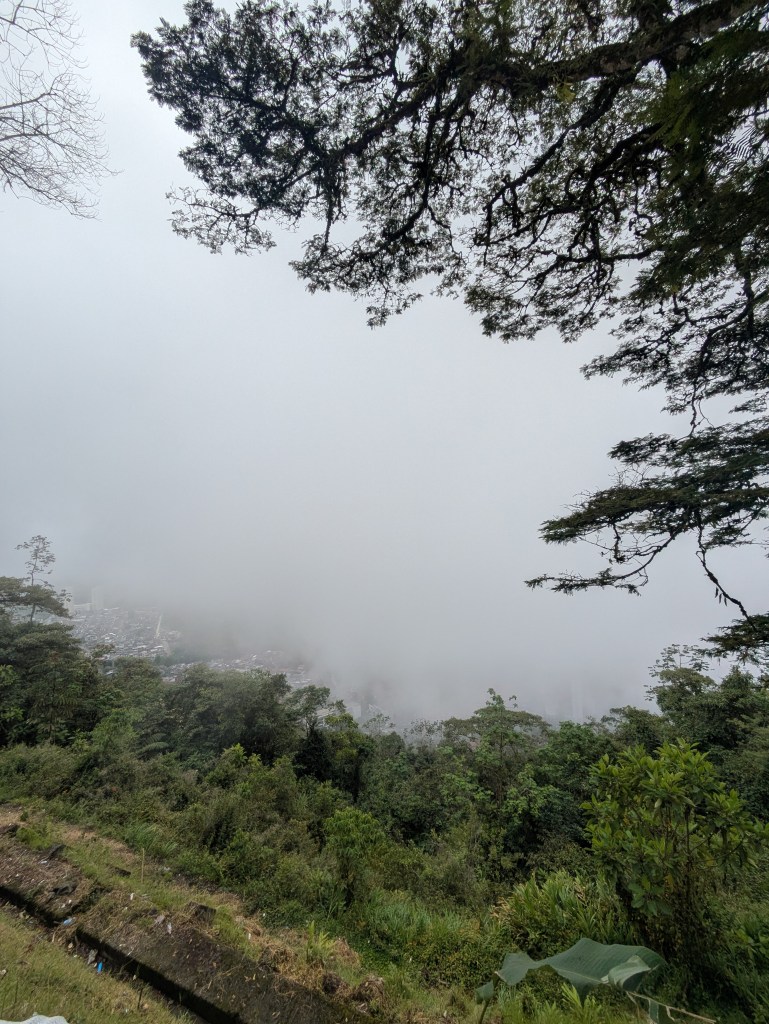
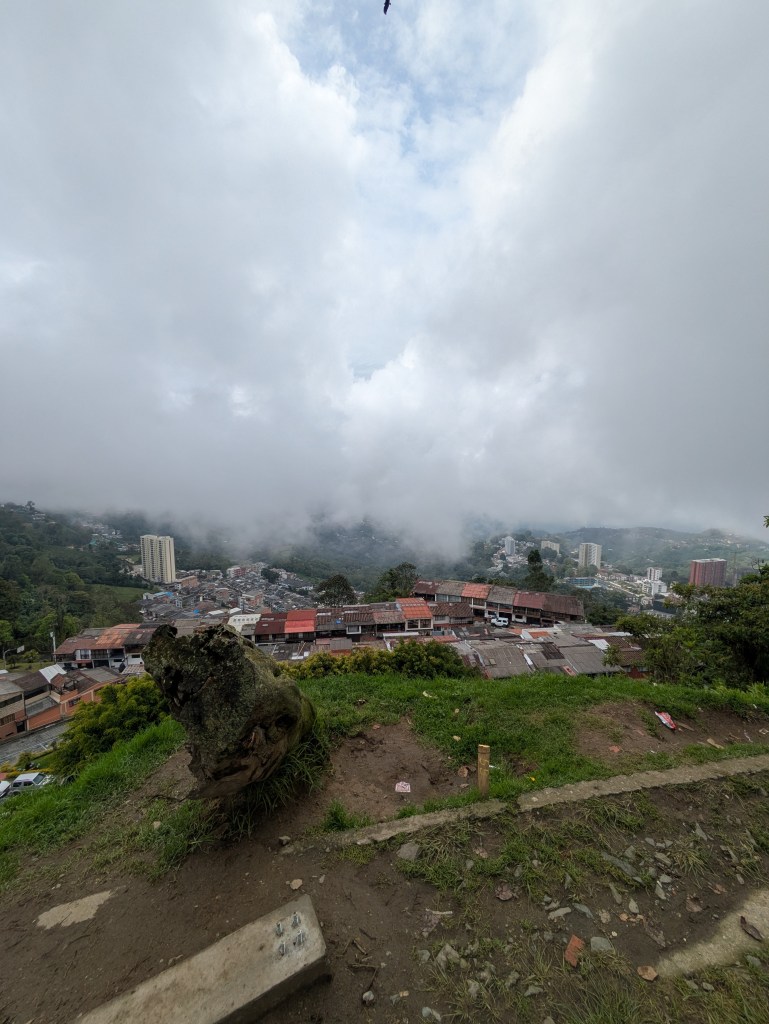
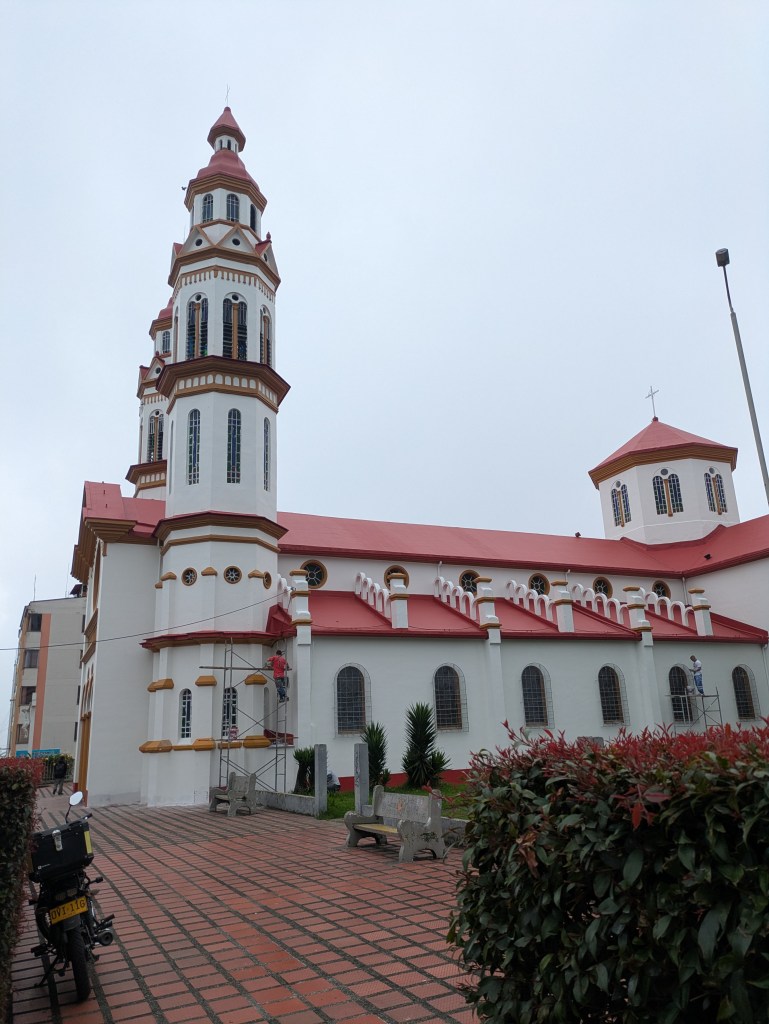
After this we jump on a short 20 minute bus ride where we then get off just outside and we have a walk around different view points in an area named Chipre (Spanish for Cyprus). There is also a church here which is a replica of the original cathedral in the centre. She explains to me that Manizales is quite a new city being founded in the 1850’s by a handful of settlers from Medellin.
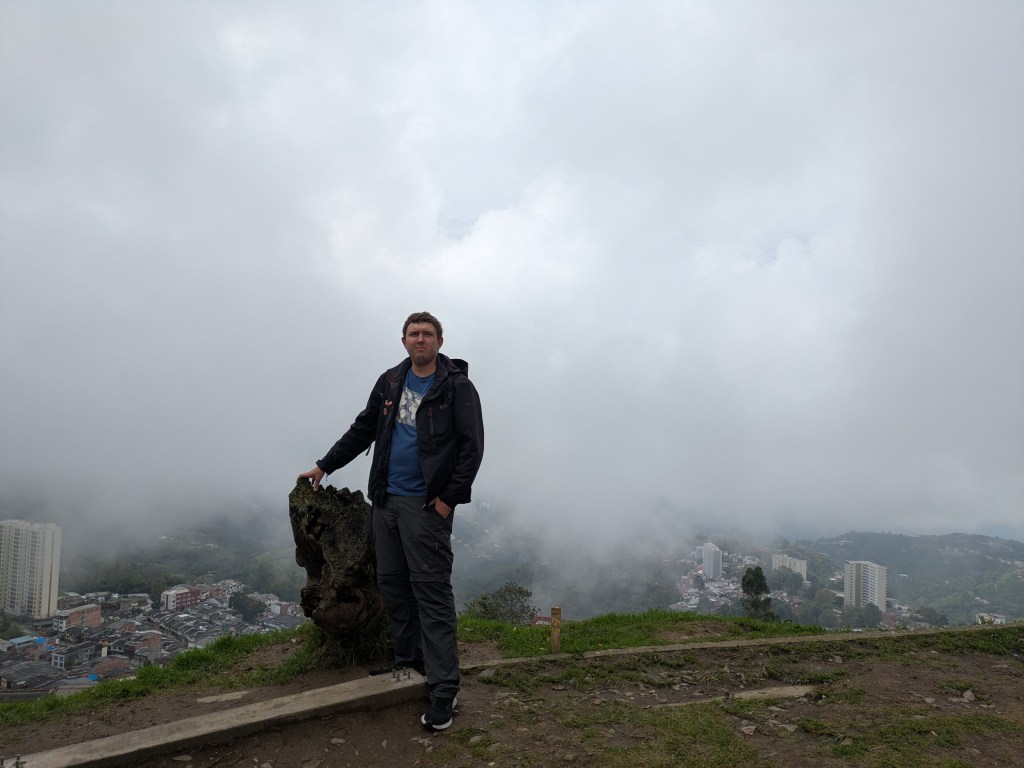
Over the years the city grew and expanded out and around these valleys. There are some excellent views here and some very steep hills and sheer drops. It is amazing but mental why you would build a city all up and down hills rather then building in a valley or on a plateau. No idea but this is what they prefer to do here.
One major moment in Manizales history which is worth mentioning is the 3 fires which destroyed most of it back in the 1920’s. From what I recall the original city was mostly built out of wood and in the 1920’s electricity first came to the region. At some point or another a spark got out of control and lead to a huge fire breaking out spreading rapidly and destroying large chunks of the city. 3 times this happened in 1922, 1924 and 1926. After the last one they stop using wood for buildings and rebuild with bricks instead.
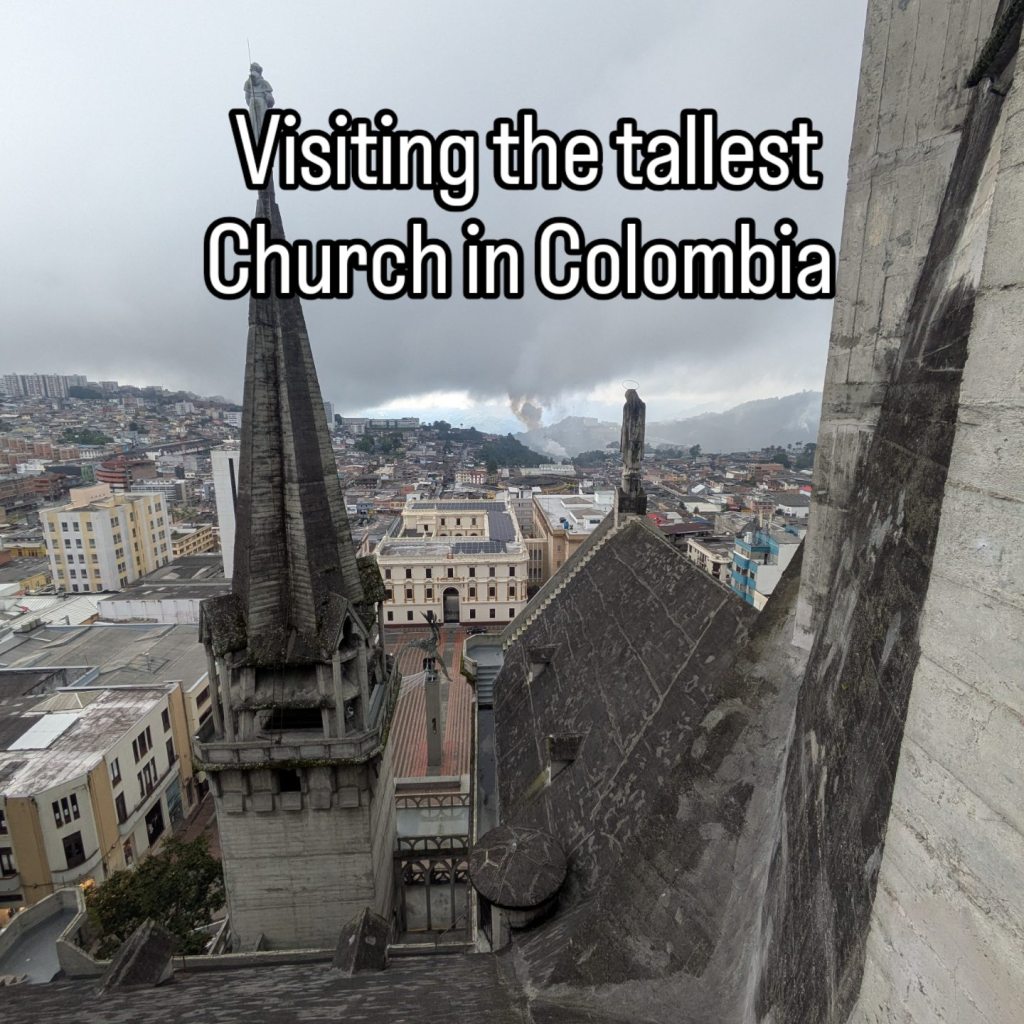
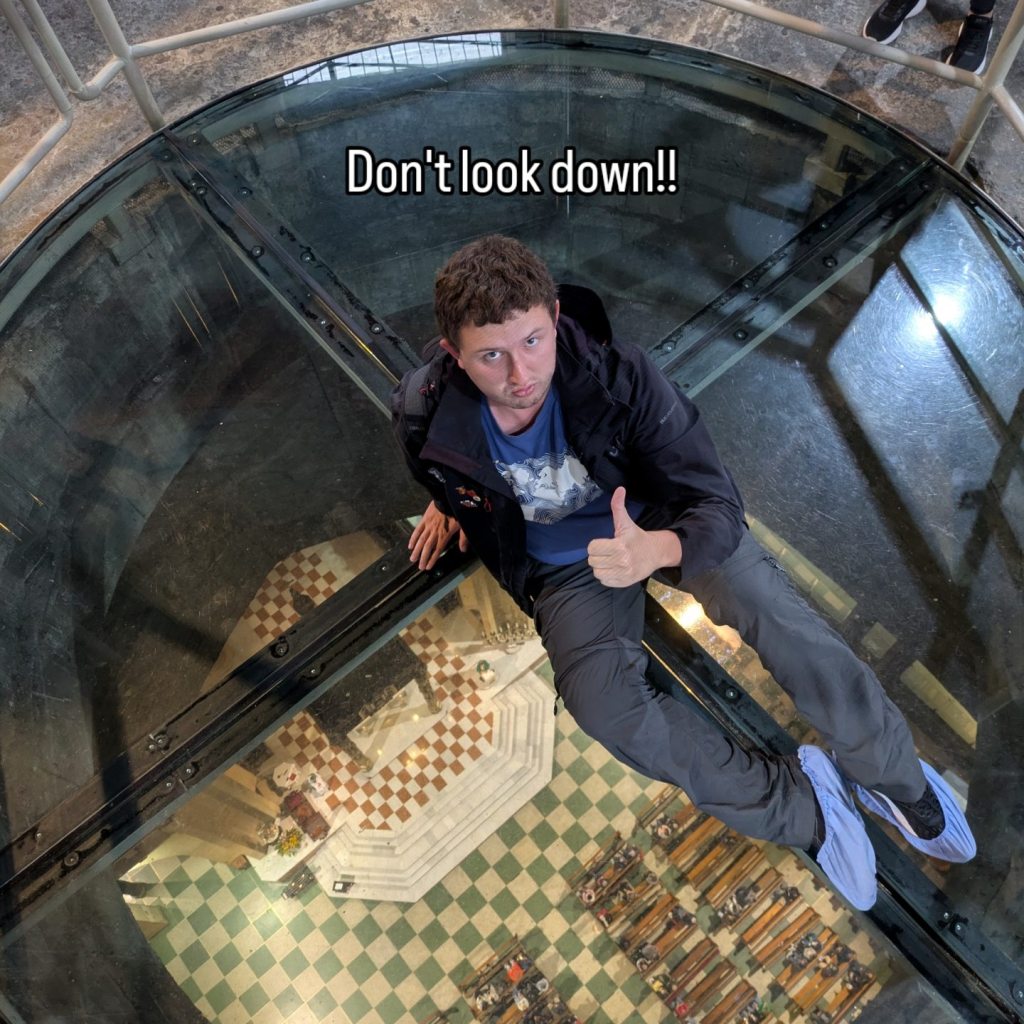
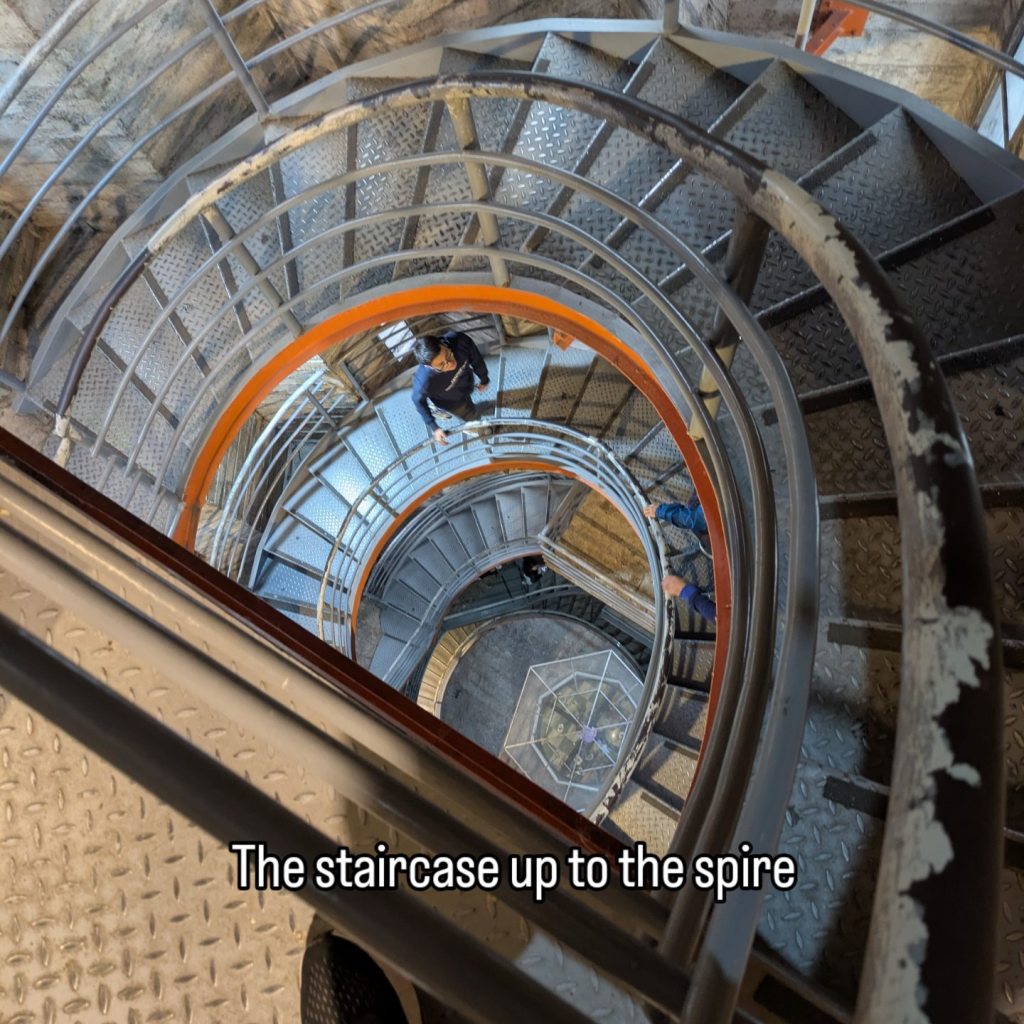
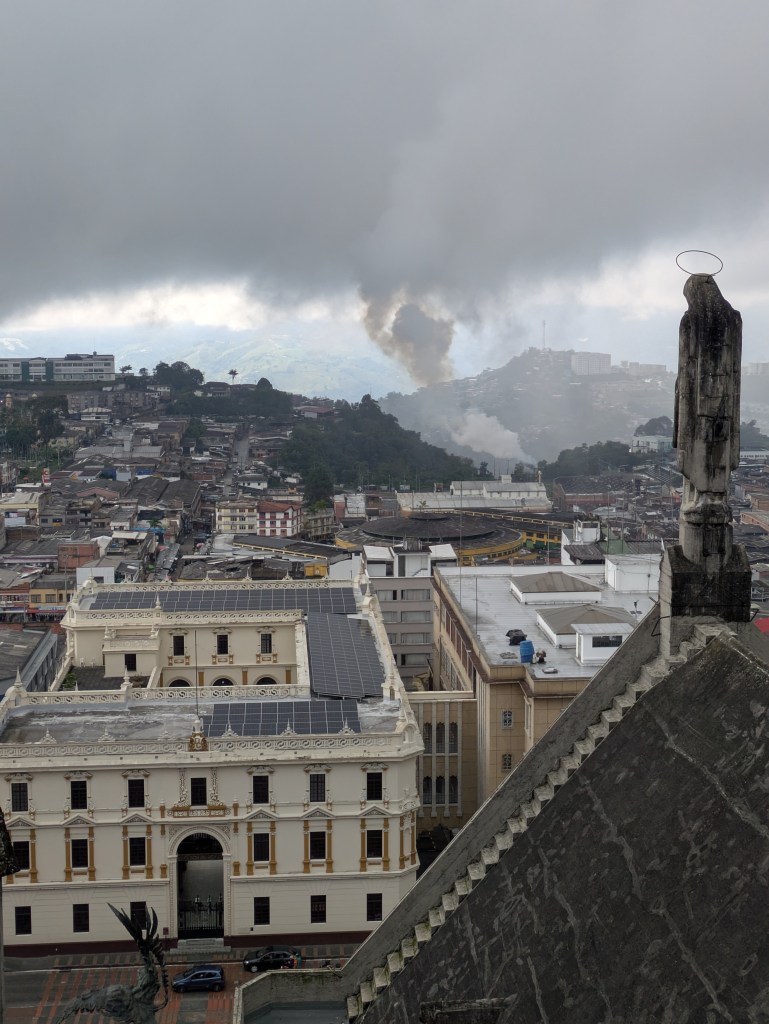
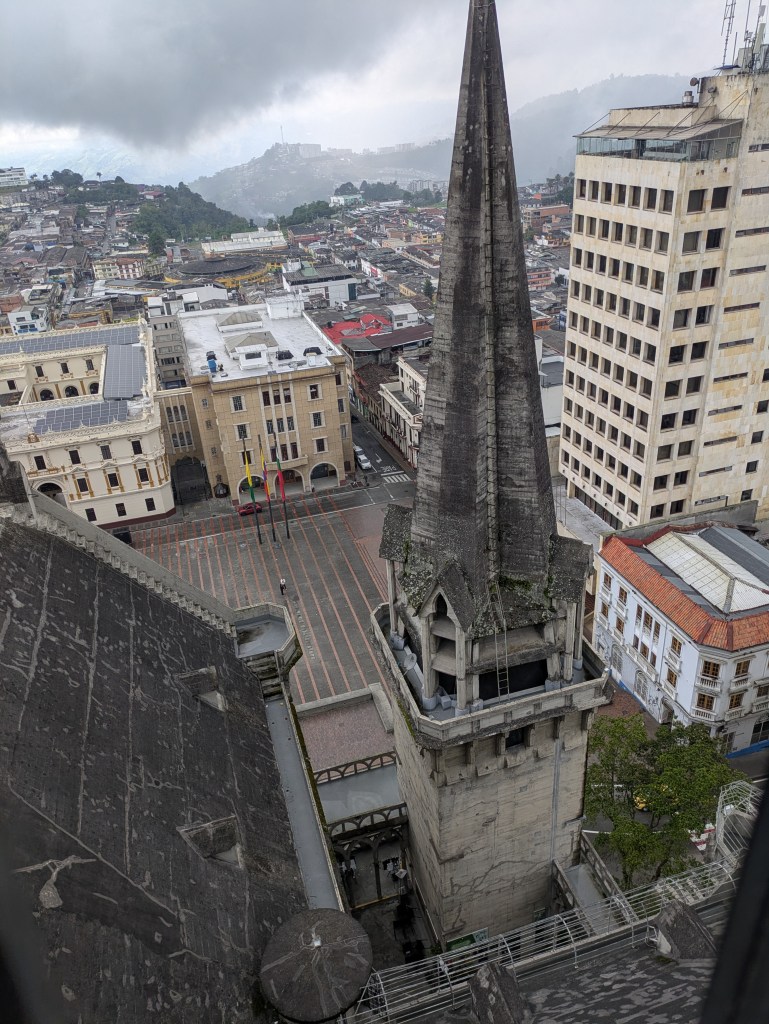
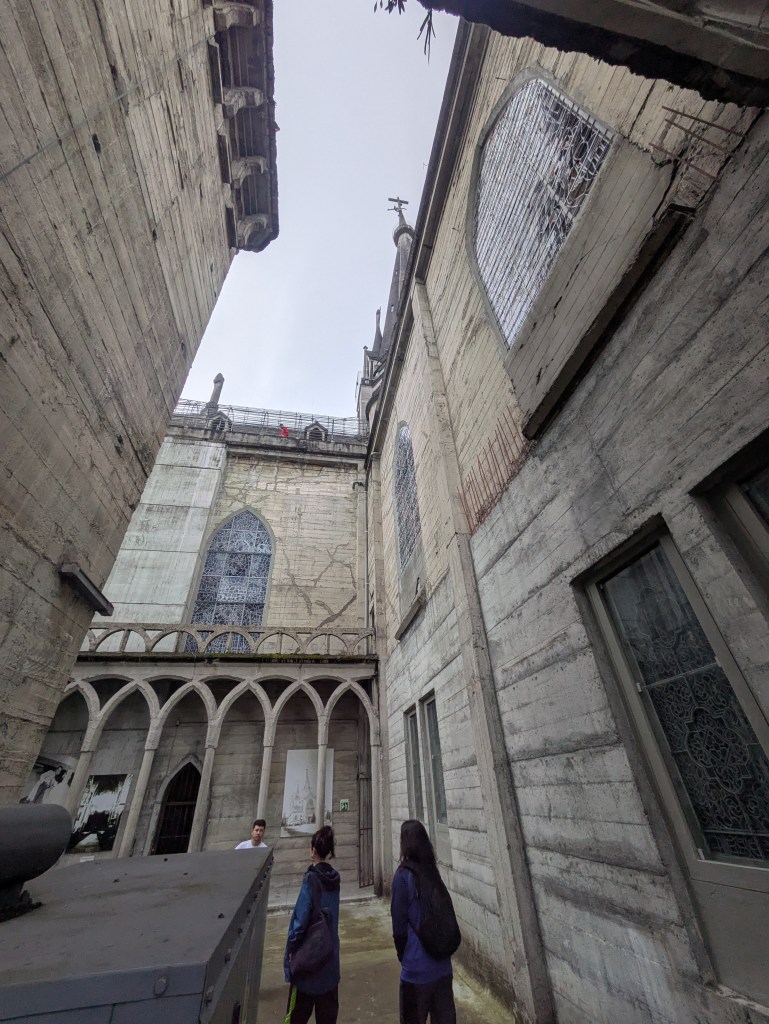
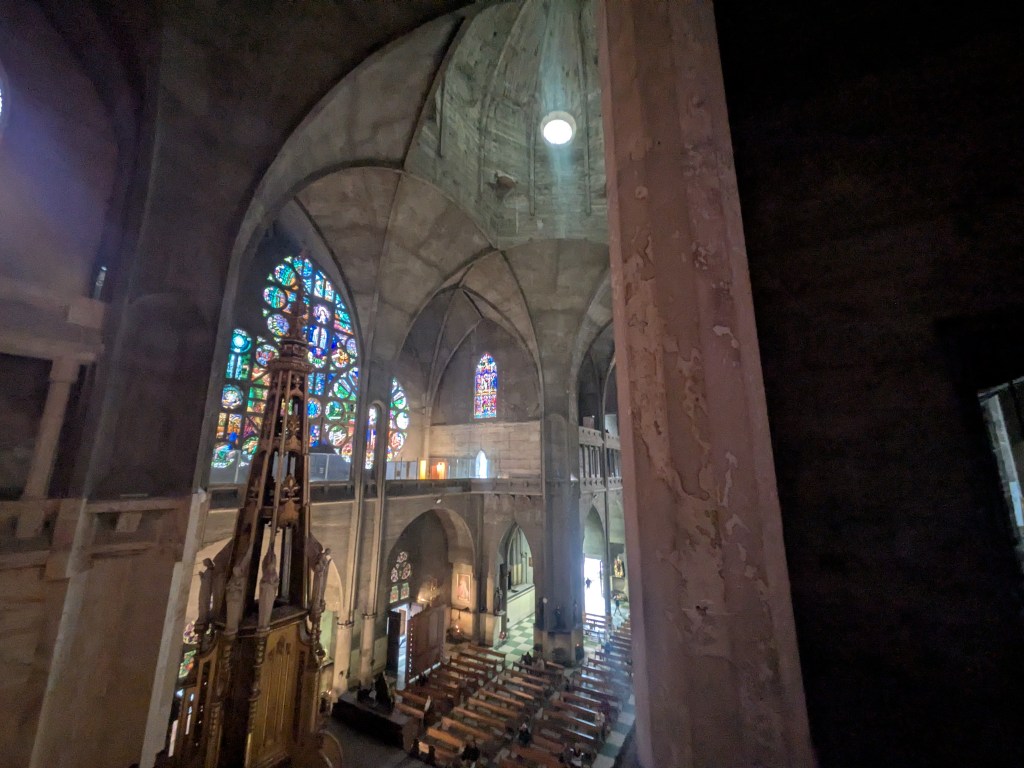
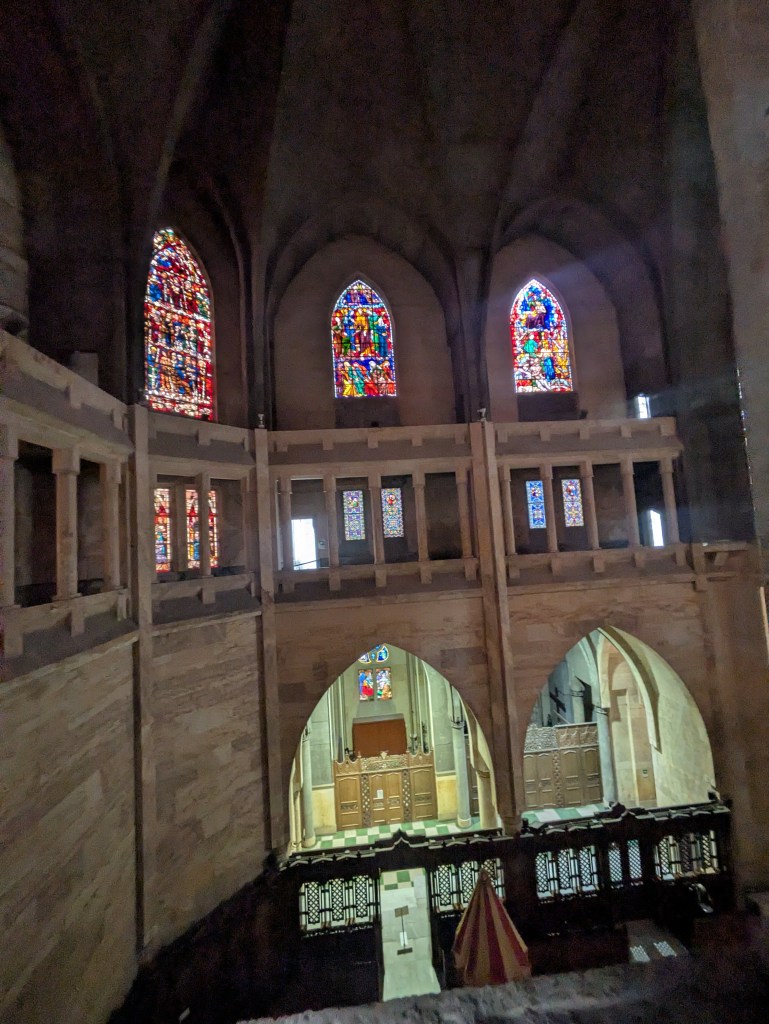
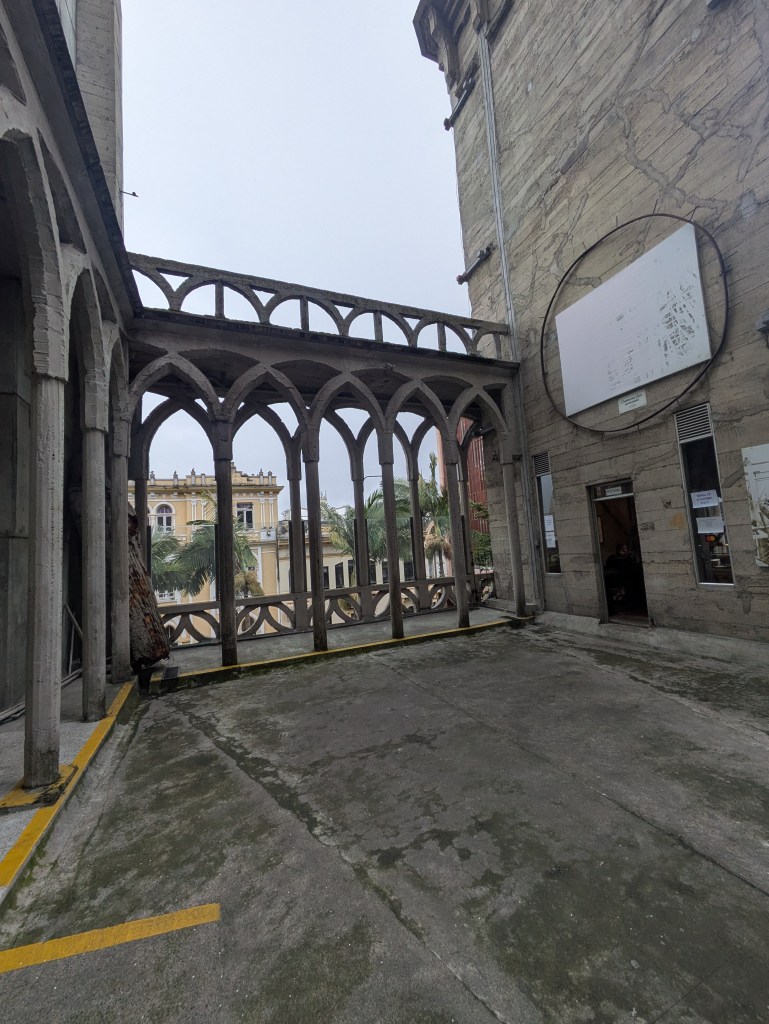
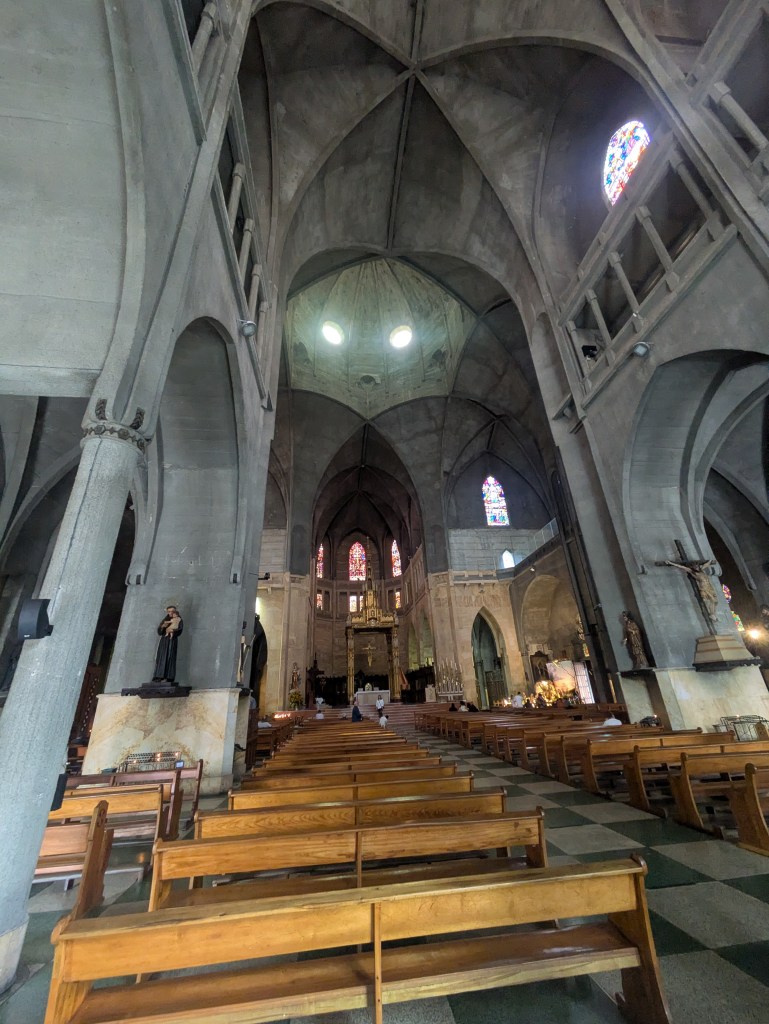
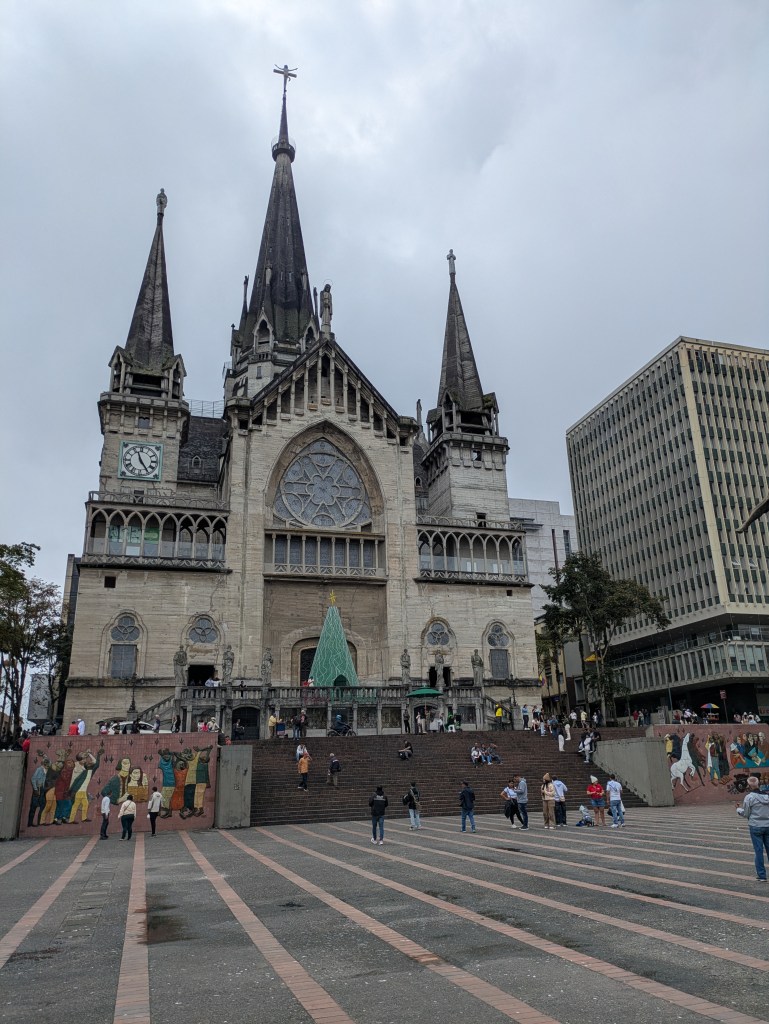
Following into this we walk into the centre where we finish the walking tour and she recommends I check out the cathedral and that’s exactly what I did. First I went into the downstairs and later went on a tour upstairs. This place is mad. When you get up into the towers you can see just below high up this place is and it can feel just a tad uncomfortable if you have a fear of heights. That said the views are amazing and it is truly a surreal experience. I would highly recommend.
After this we got hit with another rainstorm and I eventually got back to the gaff and chilled for a bit. The evening was uneventful, I went and had some food then got some tinnies from Oxxo and had them back at my place as everything was practically shut by 9. That’s post Feria bank holiday for you. The next day I left for Bogotá. That however is for the next installment.
Cathedral Background info:
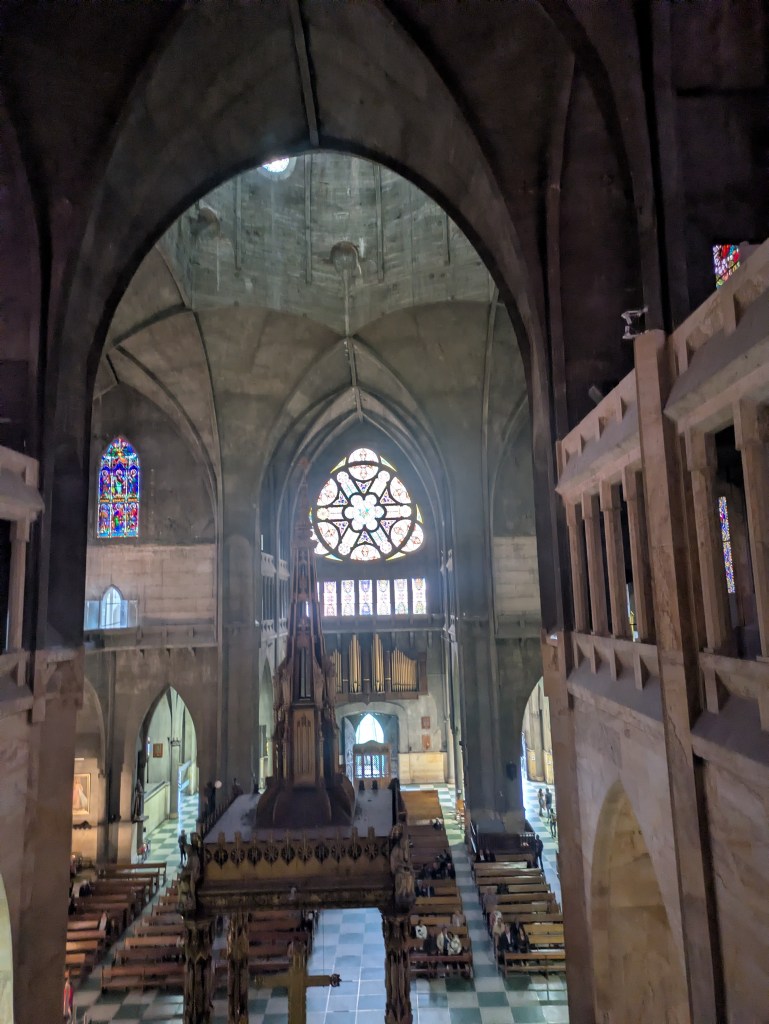
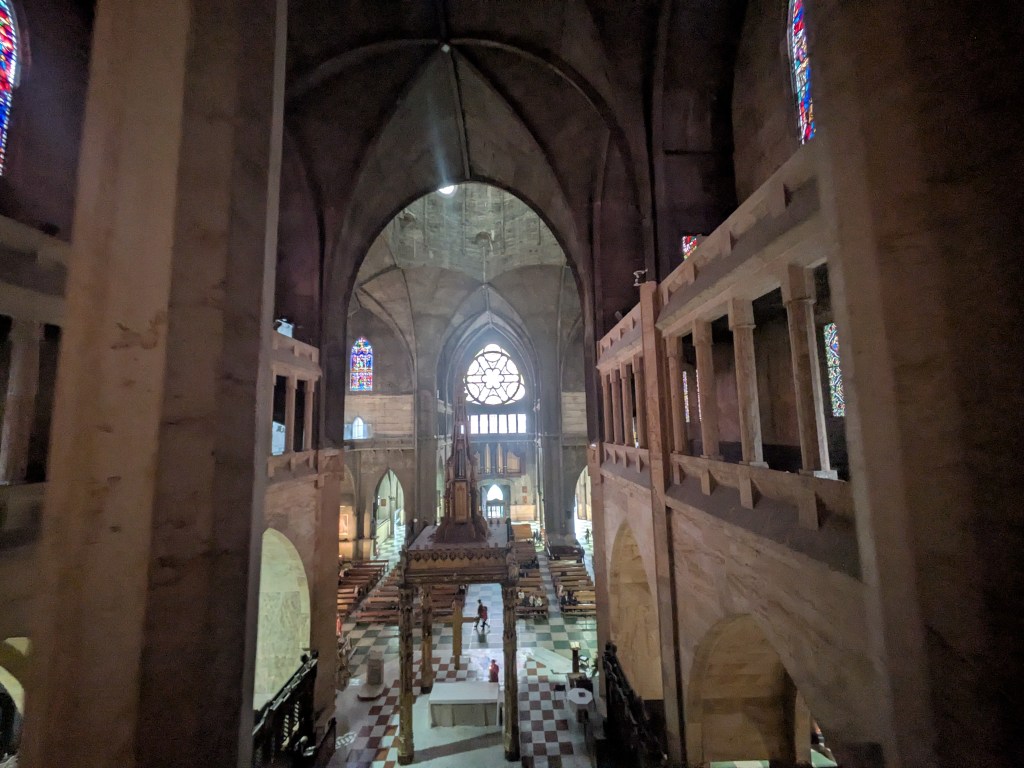
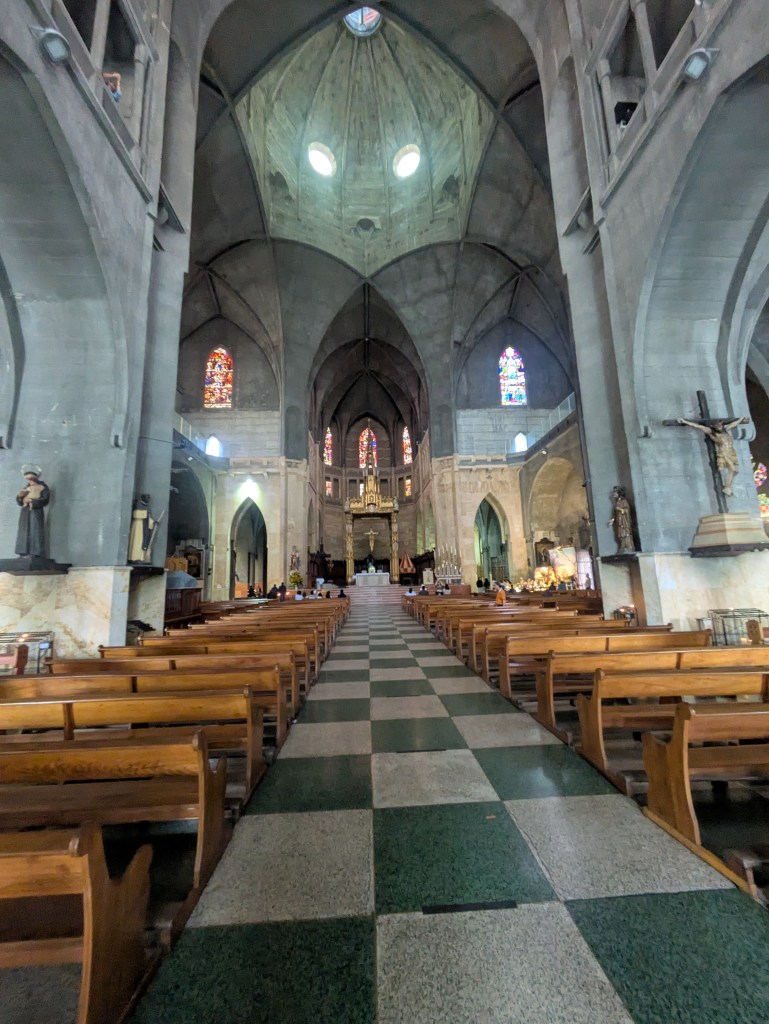
The full name of this cathedral is The Cathedral Basilica of Our Lady of the Rosary (Catedral Basílica Metropolitana de Nuestra Señora del Rosario) which is right in the city centre’s Plaza de Bolívar. It was built between 1928 and 1938 in a a gothic style replacing earlier churches here destroyed by the 3 previous mentioned fires in the 1920s. It took so long to build because they had to import various materials from Europe and North America that they couldn’t get in Colombia and shipments arrived very randomly, so work would often stop when they were waiting for something to arrive.
At about 120 metres tall, it is the tallest cathedral in Colombia and was the country’s tallest building from about 1938 to 1969.
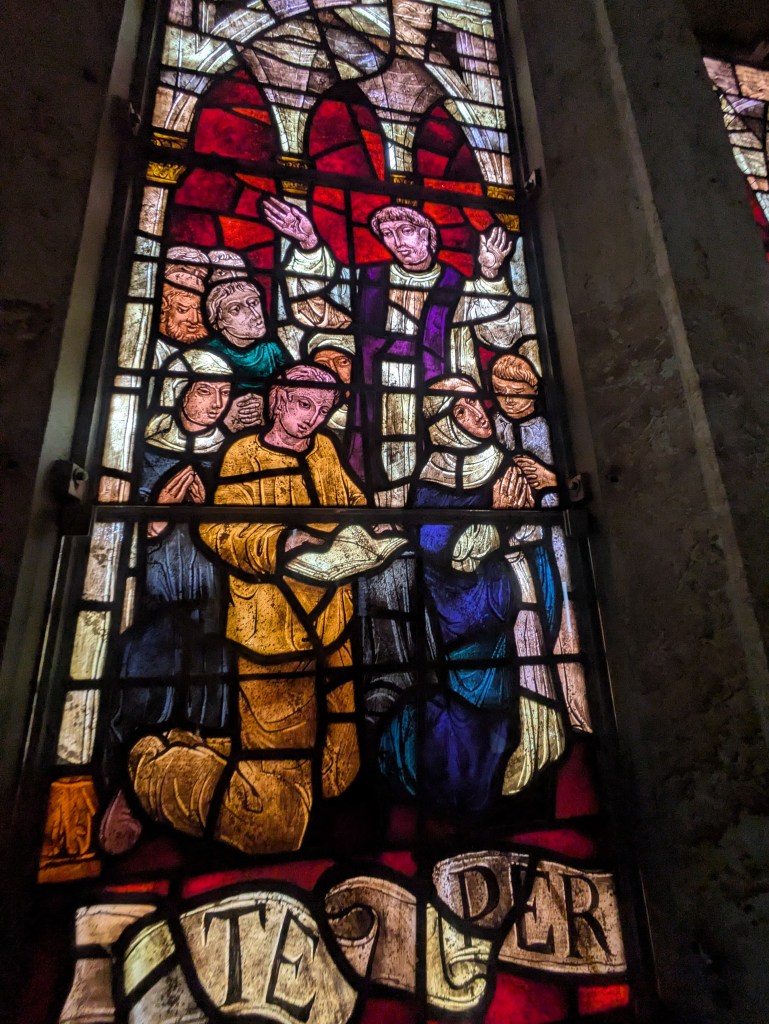
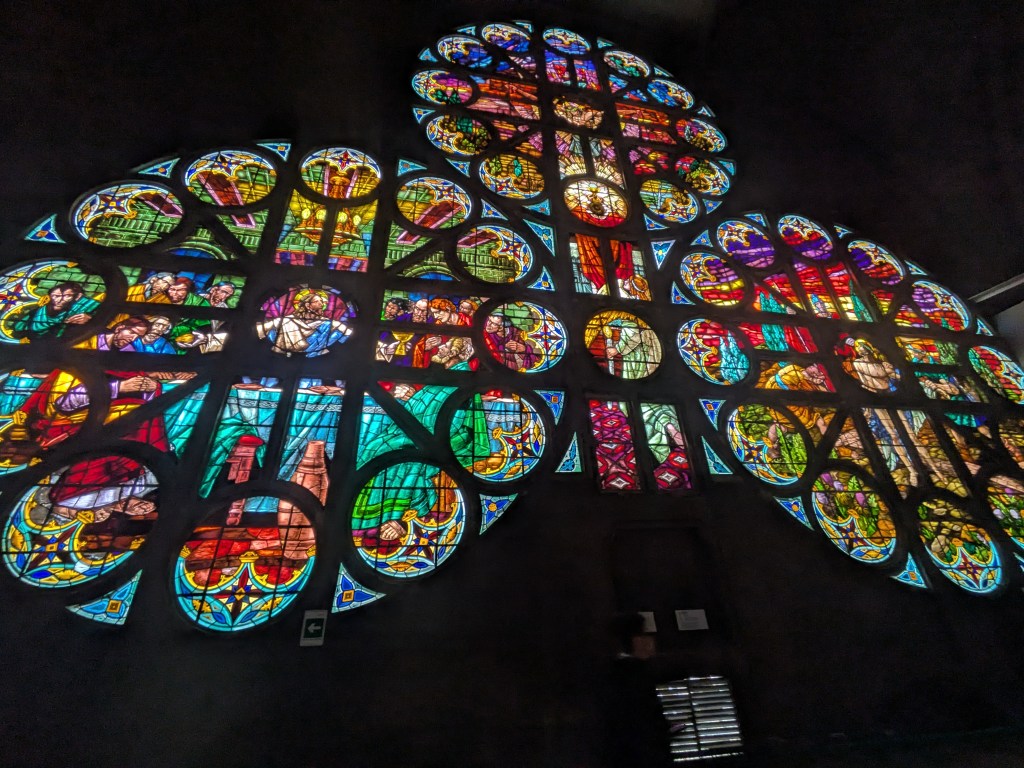
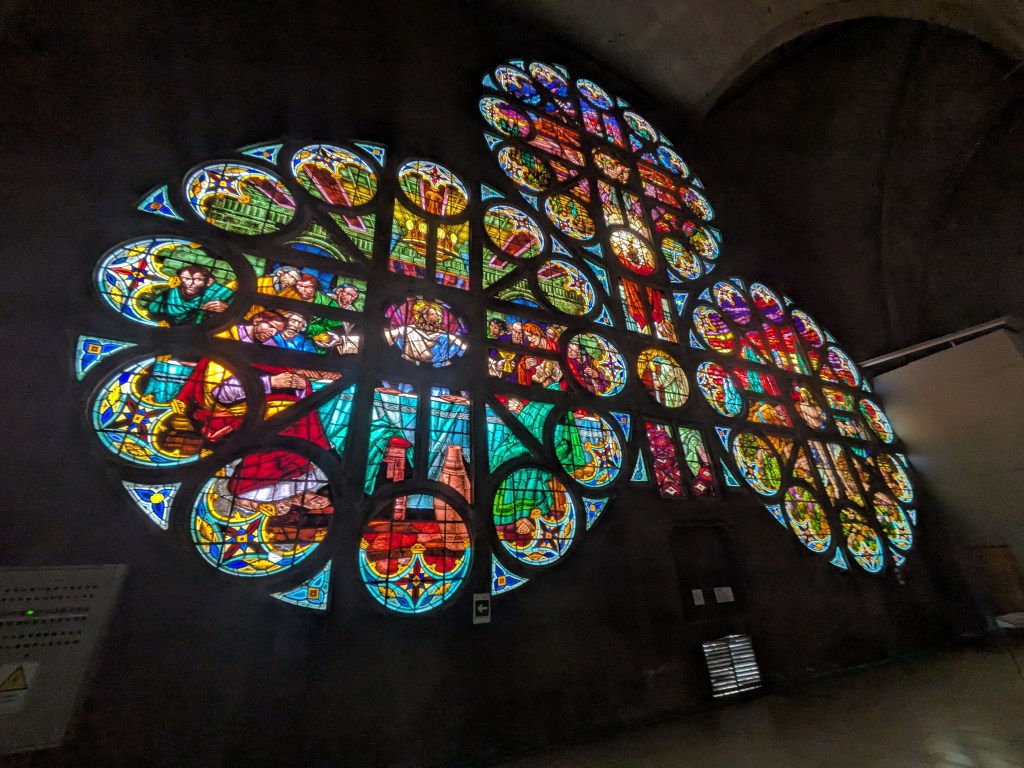
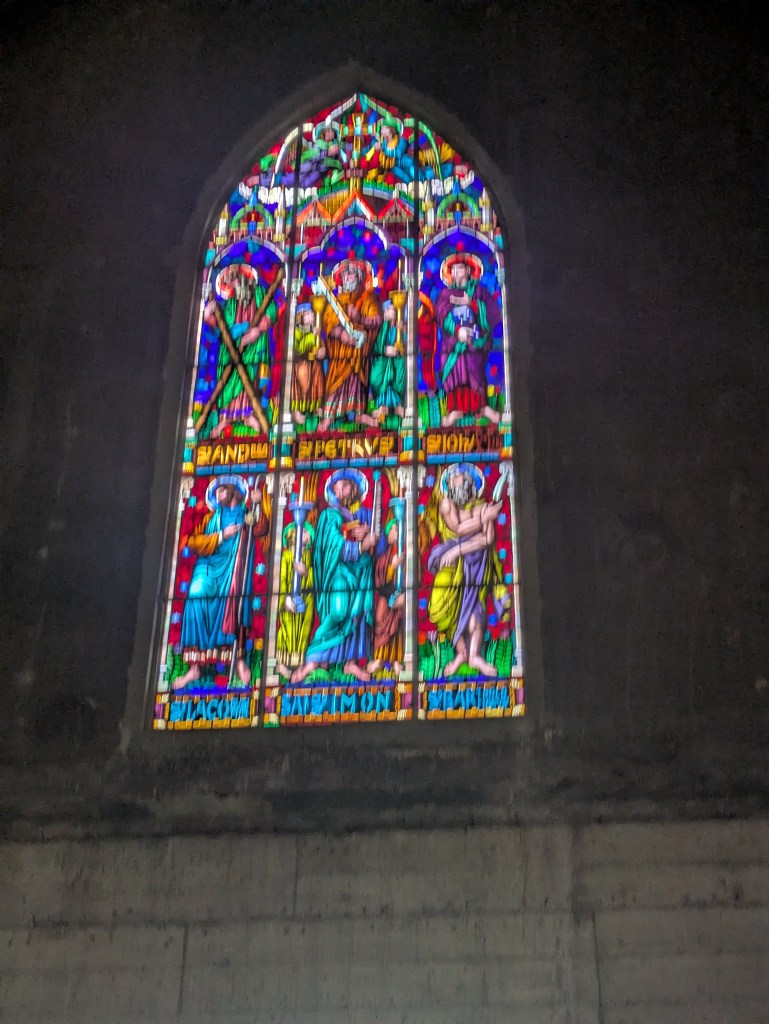
You can take a tour upstairs here for about £4. It is well worth the money as it allows you to see the panoramic views from it’s four corner towers and climb the spire and see all across the city and it’s valleys. Inside are numerous stained glass windows by different European and Colombian artists.
The cathedral was declared a National Monument of Colombia in 1984 and remains an important religious and cultural landmark in the Caldas región.
 Thewesternprovinceblog
Leave a comment